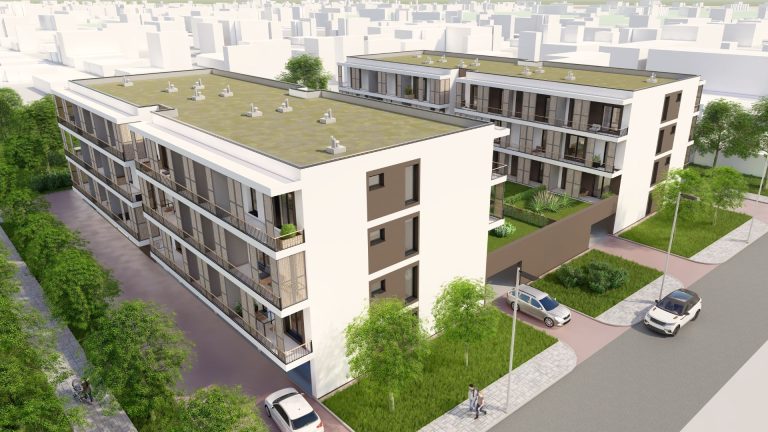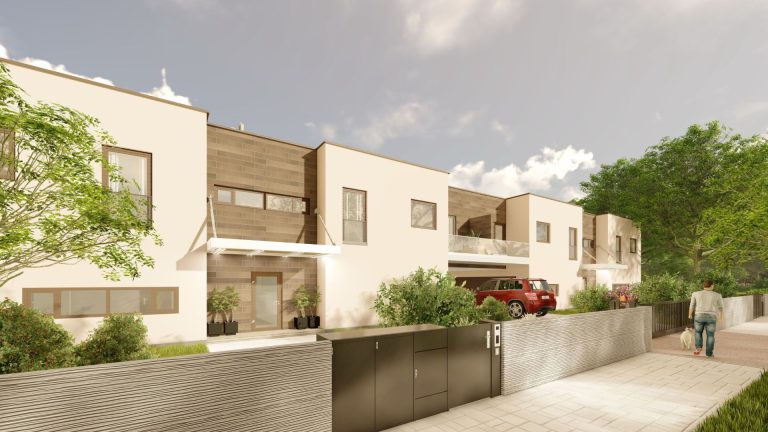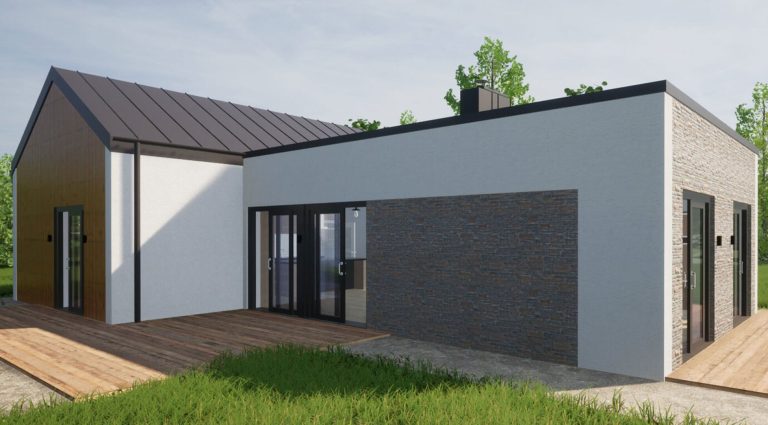
Choosing between LGSF (Light Gauge Steel Frame) and traditional masonry is one of the most important decisions at the start of any construction project. In this guide, we compare both technologies across key parameters that affect costs, construction time, and living quality.
What is LGSF technology?
LGSF (Light Gauge Steel Frame) is a modern construction system based on light gauge galvanized steel profiles. The profiles are manufactured on CNC machines with an accuracy of ±1 mm and then assembled into panels (wall, roof, floor) that are simply installed on site.
Key advantage: LGSF is dry construction — no wet processes, no waiting for drying. Construction is up to 3× faster than traditional masonry.
Comparison of key parameters
| Parameter | LGSF Steel | Masonry (Bricks) |
|---|---|---|
| Construction speed | 3× faster | 1× (reference) |
| Precision | ±1 mm | ±10 mm |
| Construction waste | 2 % | 10–15 % |
| Fire Resistance | REI 60 | REI 90+ |
| Thermal insulation (U) | 0.15 W/m²K | 0.25 W/m²K |
| Acoustics (Rw) | 55–65 dB | 50–55 dB |
| Recyclability | 100 % | Partial |
| Wet processes | None (dry construction) | Yes (wet masonry) |
| Structural weight | Light | Heavy |
Construction speed
The most significant difference between LGSF and masonry is construction speed. While a traditional masonry family house takes 12–18 months to build, an LGSF structure is completed in 4–6 months. The difference is even more pronounced for residential buildings.
The reason is simple: panels arrive on site pre-fabricated from the factory. On site, they are only assembled, eliminating wet processes, weather delays, and the need for specialized craftsmen.
Construction costs
The price per square meter for LGSF and masonry is comparable. LGSF has higher material costs but significantly lower labor and time costs. Overall, LGSF is 5–15% cheaper due to:
- Smaller foundations (lightweight structure)
- Shorter construction time (lower overhead)
- Minimal waste (2% vs. 15%)
- Fewer workers on site
Who is LGSF ideal for?
LGSF technology is suitable for a wide range of projects — from family houses through residential buildings to public facilities. It is especially suitable for:
- Developers — serial production, fast return on investment
- Architects — design flexibility, precise execution
- Construction companies — easy assembly, fewer workers
Want to know more?
Calculate an estimated price for your project in our online calculator.
Start calculator →